

The Mauritius Automotive Market is going through an important period of change as vehicle technology, taxation, consumer preferences and new mobility solutions reshape the industry. Mauritius had 761,531 registered vehicles by the end of June 2026, with cars, double-cab pickups and dual-purpose vehicles accounting for 56.9% of the fleet.
At the same time, manufacturers and dealerships are introducing more electrified models, while buyers are paying greater attention to running costs, safety equipment and digital convenience.
1. Hybrid and Electric Cars Gain Attention
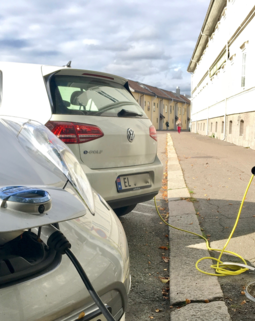
One of the clearest changes in the Mauritius Automotive Market is the growing presence of hybrid and electric vehicles. Hybrid registrations reached 14,225 in 2025, according to industry analysis using National Land Transport Authority data, with second-hand imported vehicles making up a large share of registrations.
Mauritius also maintains different excise-duty structures for conventional, hybrid, plug-in hybrid and electric cars. Current Mauritius Revenue Authority rates provide lower excise-duty bands for several electrified vehicle categories, although VAT remains applicable at 15%.
The market is also seeing new products. For example, the Leapmotor B10 was introduced in August 2026 as both a fully electric model and a range-extended hybrid, offering up to 434 km of claimed electric range in its BEV version.
Changing Buyer Priorities
Fuel consumption, maintenance costs and vehicle technology are increasingly important considerations. However, the cost of purchasing an electrified vehicle remains a significant factor, particularly after recent changes to vehicle taxation and registration charges.
2. Digital Vehicle Shopping Expands
The Mauritius Automotive Market is also becoming more digitally focused. Buyers can increasingly research models online before visiting a dealership, comparing specifications, equipment, prices and powertrain options.
Digital tools can also support test-drive requests, financing enquiries and service bookings. This gives dealerships opportunities to provide customers with information before they enter a showroom.
For automotive developments across Africa and emerging markets, readers can also explore AfriCarGroup.
3. Safety Technology Becomes More Important
Modern cars are bringing increasingly sophisticated safety technology into the Mauritian market. Depending on model and specification, buyers can find automatic emergency braking, adaptive cruise control, lane-departure assistance, blind-spot monitoring, parking sensors and camera systems.
Connected infotainment and smartphone integration are also becoming common features, giving drivers easier access to navigation, communication and entertainment.
For Mauritius Automotive Market buyers, these technologies add another layer to vehicle comparisons beyond engine size, fuel consumption and price.
4. Sustainable Mobility Gains Momentum
Sustainable transportation remains another important part of the market's development. The combination of electrified vehicles, changing consumer preferences and investment in new mobility technologies is creating opportunities for dealerships, charging providers, workshops and fleet operators.
However, the transition is not without challenges. Industry representatives raised concerns in 2026 about the absence of additional incentives for hybrid and electric vehicles in the 2026–27 Budget.
What Comes Next?
The Mauritius Automotive Market is becoming more diverse, with conventional petrol vehicles continuing alongside hybrids, plug-in hybrids and fully electric models. New vehicle taxation is also influencing purchasing decisions, while the country's growing fleet creates opportunities for servicing and aftermarket businesses.
The Mauritius Automotive Market therefore reflects a broader shift toward vehicles that combine efficiency, safety, connectivity and practical ownership costs.
Conclusion
Four developments stand out: growing electrification, digital vehicle shopping, wider adoption of advanced safety technology and increasing attention to sustainable mobility. Together, they are changing how Mauritian consumers evaluate and purchase vehicles.
The direction of the Mauritius Automotive Market will depend on vehicle prices, taxation, charging infrastructure, model availability and how quickly consumers adopt newer technologies.
Which automotive change is having the biggest impact on Mauritius hybrid cars, EVs, digital buying or advanced safety technology? Share your thoughts in the comments.