

As an island nation on the frontline of climate change, Mauritius is no stranger to the destructive force of intense tropical cyclones. However, by 2026, a technological shift is transforming the way the nation prepares for these emergencies. With the rapid electrification of the public transport sector and the integration of bidirectional charging, the concept of Mauritius V2G Cyclone Resilience is moving from theory to vital reality. By utilizing Vehicle-to-Grid (V2G) technology, the thousands of electric vehicles (EVs) across the island are being reimagined as a "Virtual Power Plant" (VPP) capable of stabilizing the grid and powering critical facilities when traditional lines fail.
The Strategic Role Of Electric Bus Fleets
The cornerstone of Mauritius V2G Cyclone Resilience lies in the nation's ambitious public transport overhaul. With support from the UNDP and the Ministry of Energy and Public Utilities, Mauritius has significantly expanded its electric bus fleet, targeting over 60 high-capacity buses equipped with bidirectional capabilities by 2026.
Unlike private cars, these buses possess massive battery packs—often exceeding 200 kWh—making them ideal mobile energy storage units. During the "warning" phases of a cyclone, these fleets are fully charged via solar-powered depots. Once the grid is compromised by high winds or falling debris, these "batteries on wheels" can be deployed to community shelters or hospitals, providing emergency power without the noise or emissions of traditional diesel generators.
Vehicle-To-Grid Integration With The Central Electricity Board
The Central Electricity Board (CEB) has been instrumental in codifying the standards for Mauritius V2G Cyclone Resilience. Under the revised 2026 Demand Response Program (DRP), the CEB can now send digital signals to bidirectional chargers across the island.
-
Peak Shaving: Before a storm makes landfall, V2G-enabled fleets help the grid manage surges in demand as citizens prepare.
-
Frequency Regulation: EVs provide instantaneous micro-adjustments to the grid's frequency, preventing blackouts during the volatile transition from fossil fuel baseloads to renewable sources.
-
Emergency Discharge: During a total grid collapse, localized V2G "islands" allow neighborhoods to maintain basic lighting and communications.
Technical Innovations For 2026 Disaster Management
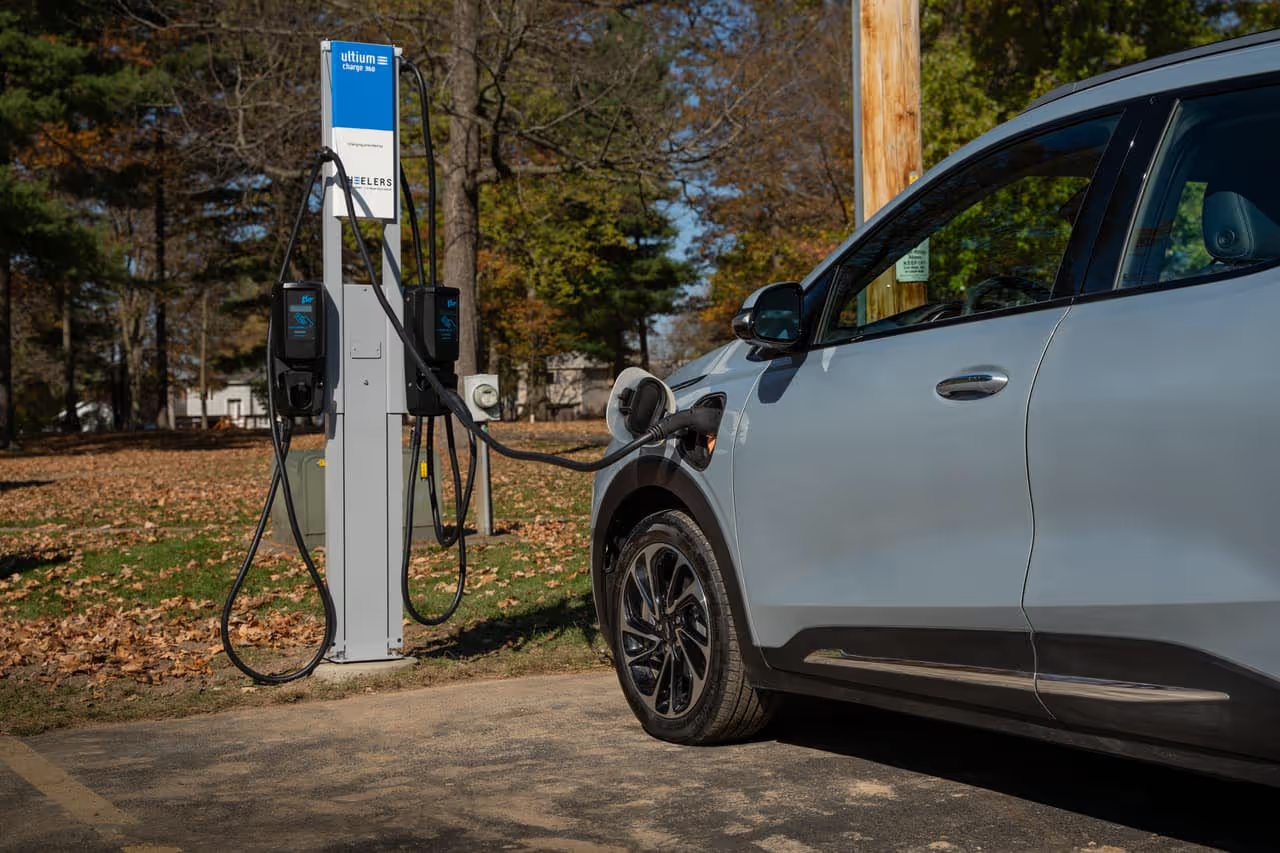
The success of Mauritania V2G Cyclone Resilience depends on robust hardware and intelligent software. Modern charging stations installed in Port Louis and Ebène Cyber City are now rated for extreme weather and feature automated disconnects to protect vehicle batteries from lightning surges.
For automotive engineers and energy policymakers tracking the evolution of smart grids and sustainable transport in the Indian Ocean, the insights provided by AfriCarNews are an essential resource for understanding regional infrastructure shifts.
Overcoming The Degradation Hurdle
One major concern for EV owners is battery wear from frequent cycling. To address this, the Mauritian government has introduced "Resilience Credits." These financial incentives compensate fleet operators for the extra cycles used during disaster response, making Mauritius V2G Cyclone Resilience economically viable for private contractors. By 2026, advancements in battery management systems (BMS) have also reduced the impact of V2G on long-term health, ensuring that vehicles remain ready for their primary transport duties once the skies clear.
Building A Legacy Of Climate Stability
By integrating the transport and energy sectors, Mauritius is setting a global benchmark for Small Island Developing States (SIDS). The Mauritius V2G Cyclone Resilience framework proves that EVs are more than just a cleaner way to commute—they are a critical pillar of national security. As the island continues toward its goal of 60% renewable energy by 2030, these mobile batteries ensure that the transition is not only green but also unbreakable in the face of the elements.
Would you be willing to let the grid use 20% of your EV’s battery during a cyclone in exchange for lower electricity bills? Or do you think emergency power should remain the responsibility of the state? Share your thoughts on the V2G revolution in the comments below!